Discover all the points of interest in Delianuova: the “Green Stone Route,” the churches, the ruins, and the pristine nature.
Delianuova is known as the town of the “Green Stone.” It guards a unique treasure shaped by the craftsmanship of serpentine, a natural resource that has left an indelible mark on its urban landscape.
Serpentino, locally known as Pietra Verde, was extracted from the ancient quarries of the ‘Cotripa’ district (now disused) and has given rise to a legacy of extraordinary beauty: masterfully carved portals, corbels, and fountains.
The carving of this stone, which began in the Basilian era, reached its peak in the second half of the 18th century thanks to the arrival of stonemasons from the Sicilian school. These master craftsmen transformed the Pietra Verde into works of art.
Today, a few artisans still practice this craft, carrying on the tradition with passion and technical expertise:
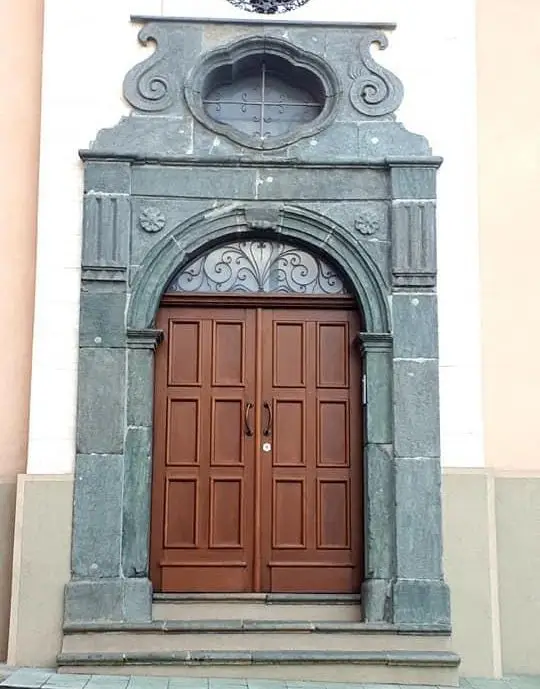
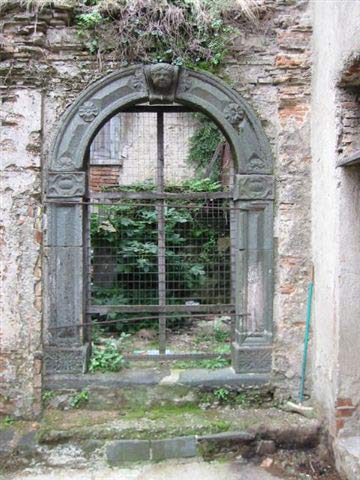
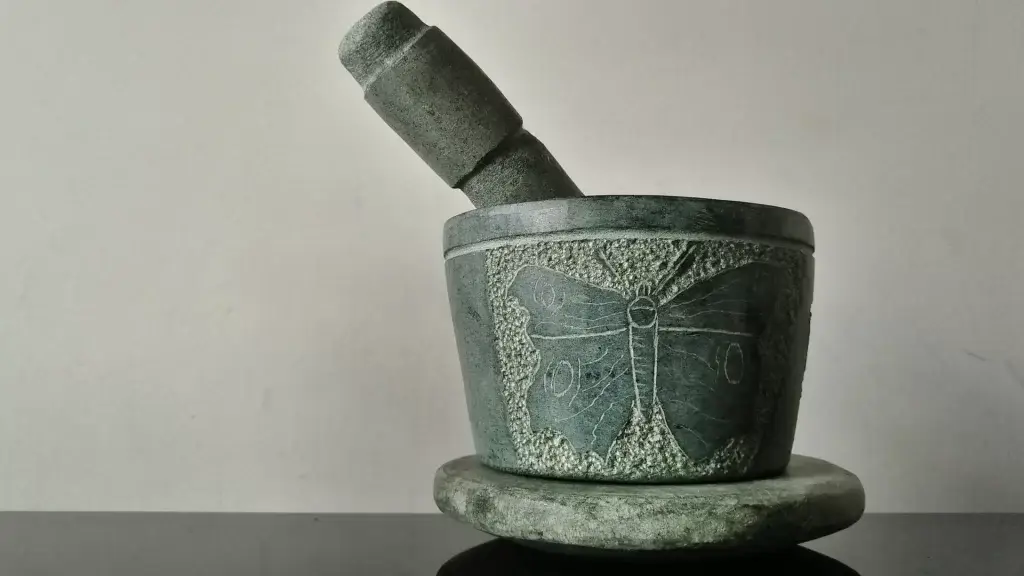
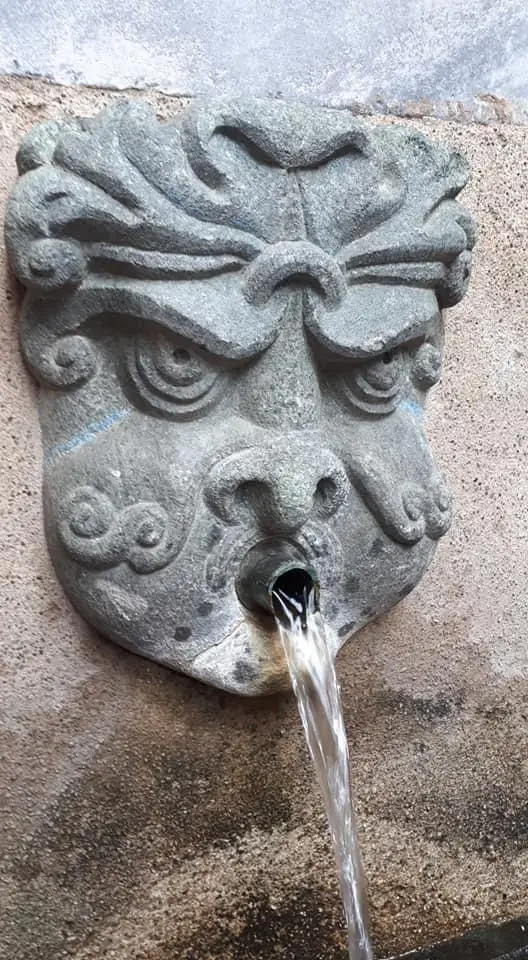
For those who wish to admire the Pietra Verde works that adorn the town, we suggest the “Green Stone Route,” a fascinating itinerary conceived by Dr. Raffaele Leuzzi and realized by Engineer Giuseppe Carbone. Inaugurated on August 9, 2025,
the route starts at the Church of San Nicola in Pedavoli and winds through the town, culminating near the Church of Maria SS. Assunta in Paracorio. Along this route, you will discover:
All this artistic heritage is easily accessible, strolling leisurely through the streets of the town.
For an interactive guide, click the button below and discover the detailed route map.
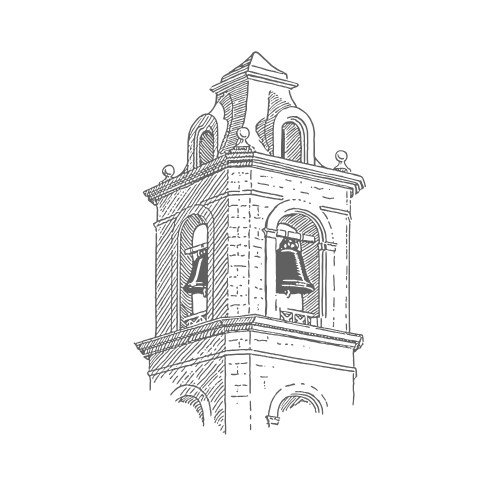
The two landmarks representing the town’s districts are the Church of San Nicola (Pedavoli) and the Church of Maria SS. Assunta (Paracorio).
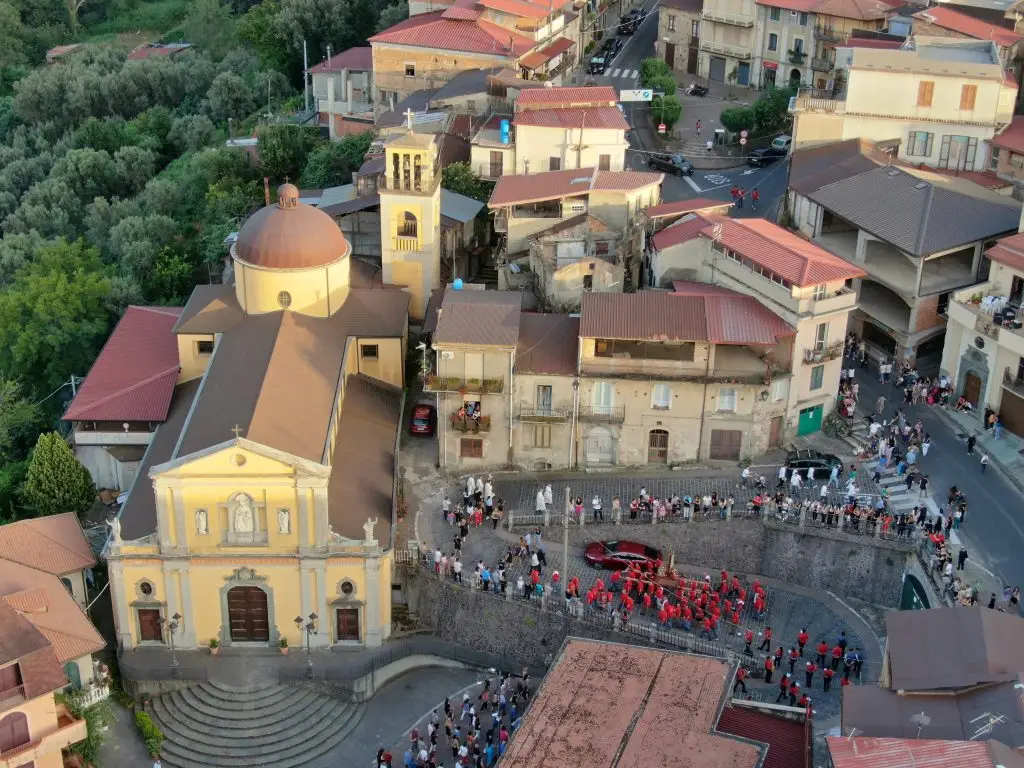
Erected in the 17th century in a pseudo-Renaissance style, its façade was recently enhanced by two statues by local sculptor Domenico Papalia, depicting Moses and Saint Elijah. The interior features stucco decorations and a beautiful 19th-century coffered wooden ceiling with central high-relief carvings.
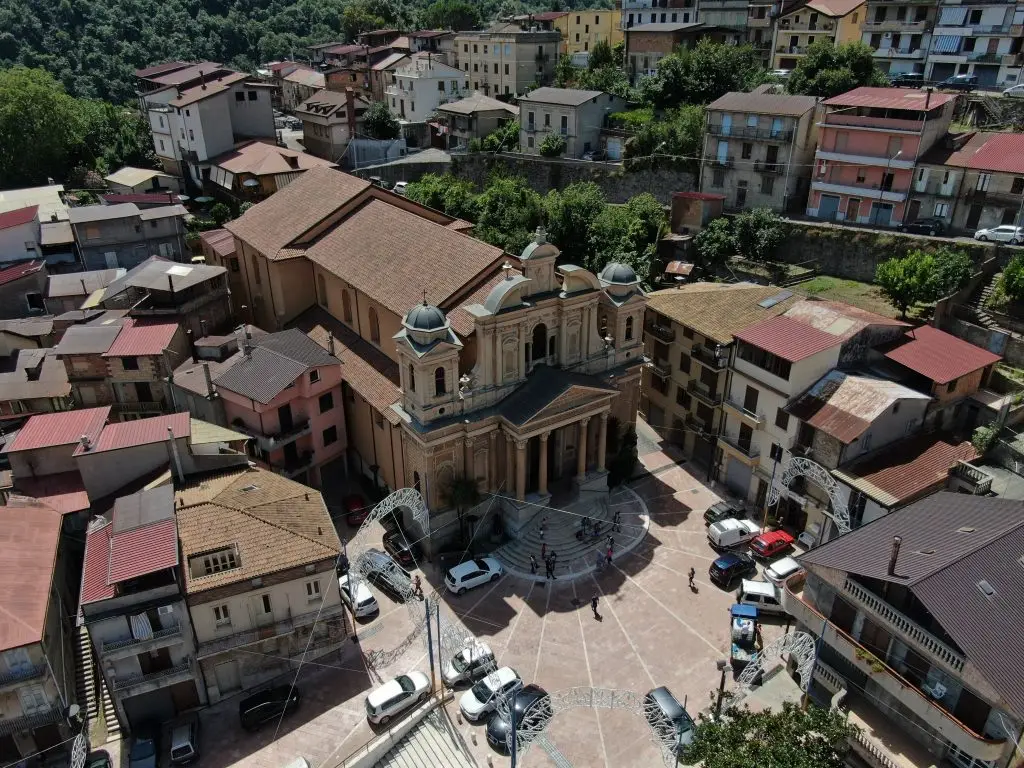
Rebuilt after the 1895 earthquake with a single nave. Of note is the monumental carved chestnut wood door, a work of local artisans (the Caminiti family) dating back to 1912, depicting scenes of Marian life. Inside, you can find two tempera-on-canvas paintings by Raffaele Angelo Musitano (1854 and 1906).
Our land, devastated over the centuries by numerous earthquakes, keeps its history visible in the abandoned districts of old Pedavoli and Paracorio, in the old water mills, the Monastery of Santa Marina, and the ancient alleys of the town.
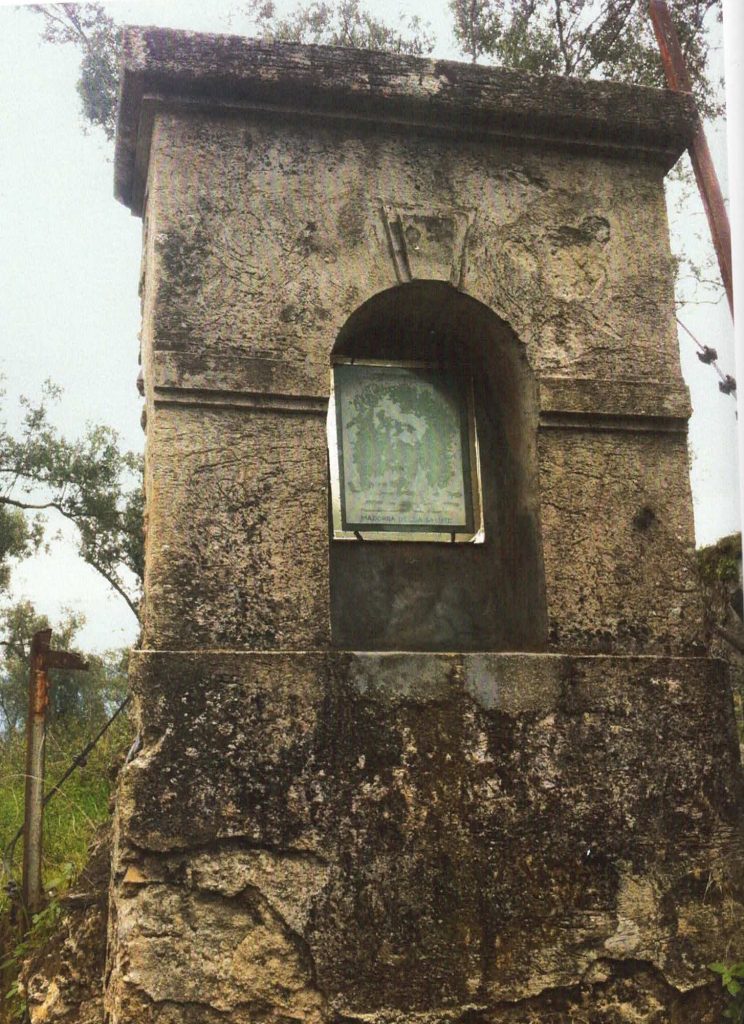
Only the rebuilt Church of San Nicola remains, along with a few ruins and the beautiful fountain on Via Garibaldi.
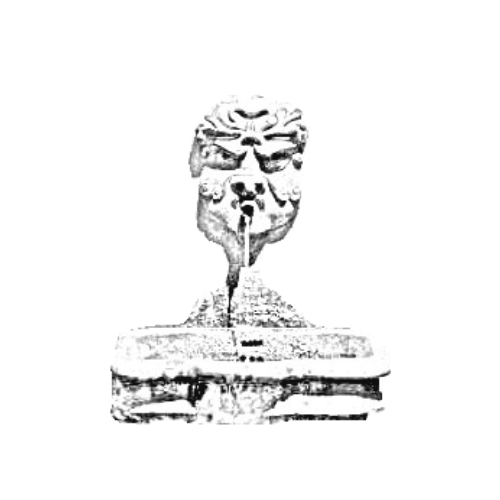
This is the only one remaining of the four public fountains installed by the municipal administration in 1768. The water flows directly from the mouth of an apotropaic mask, with a marble plaque inviting passersby to “enjoy it freely, drink with gratitude, and leave with memories!”
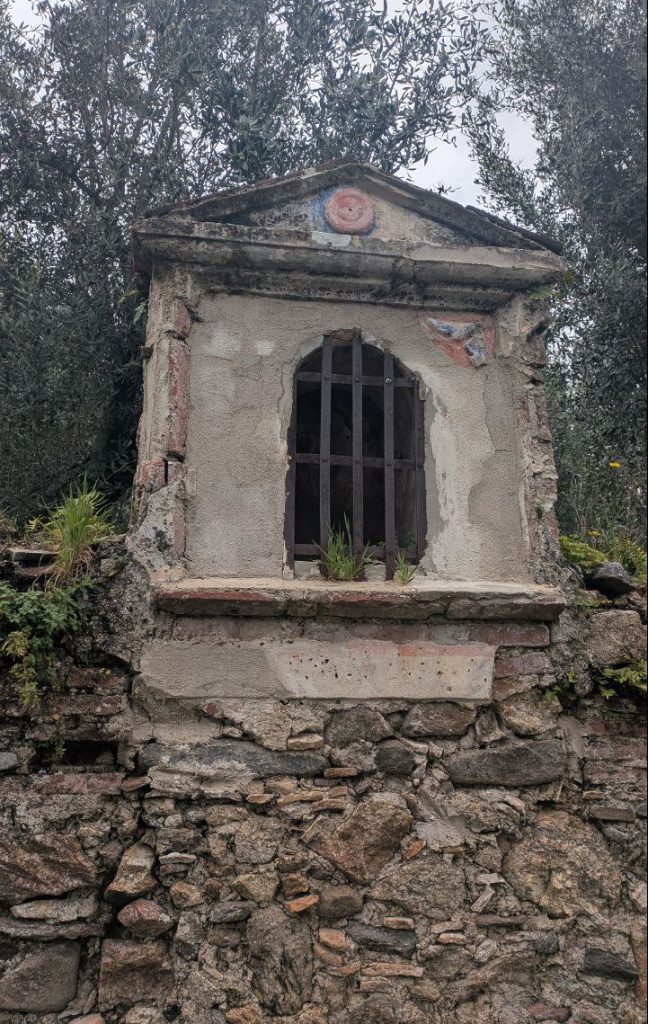
In the “Fabbirche” area, one can find the ruins of Old Paracorio. Among the first sights is a beautiful shrine (edicola) containing a stunning fresco of the Madonna del Carmelo by a local artist, now protected by iron bars.
Among the other ruins, surrounding and retaining walls, an old house, and a small “gebbia” remain, testifying to a past largely destroyed by time and partly by man. Further down the valley, in the Madonna della Salute area, lies a votive shrine dedicated to the same Madonna, covered in concrete in more modern times.
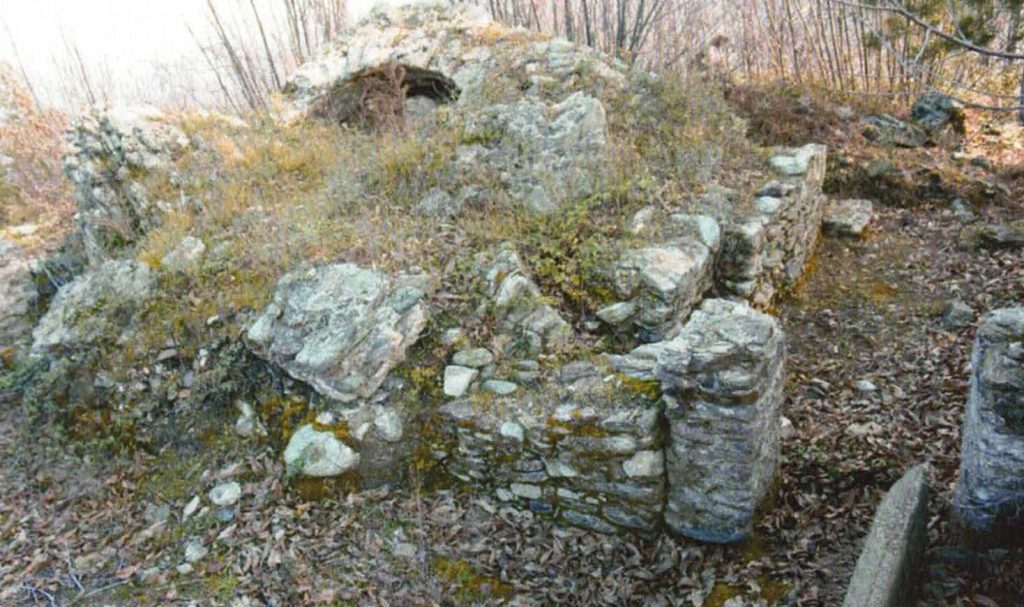
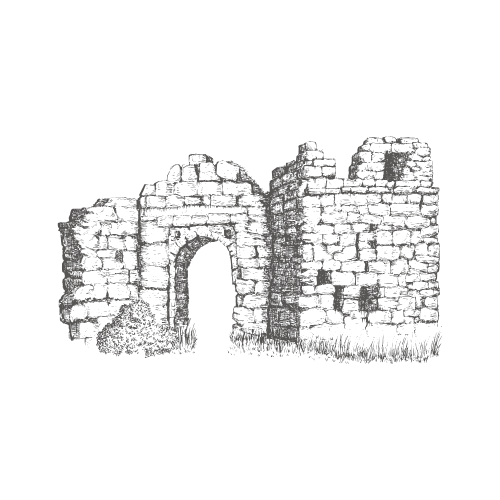
Rising toward the mountains are the ruins of the Basilian-era convent of Santa Marina. It was likely a “grange” (farmstead) of the Monastery of San Bartolomeo, abandoned even before the 1783 earthquake. It stands on a small hill, now covered with coppiced chestnut trees, between the Maramonica and Lemmini districts. The mountain scenery surrounding the Delian monastery is particularly evocative. The entrance, marked by a cross, led to a place of worship, from which the plasterwork, characterized by mural iconography and intense color, has been removed piece by piece. Recent excavations have unearthed many glass fragments, now preserved in the Reggio Calabria museum, suggesting a small-scale glass manufacturing activity once existed here.
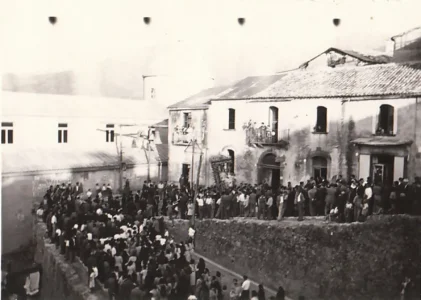
The alleys of Delianuova are very characteristic in the oldest neighborhoods, such as the “San Francesco” neighborhood in Pedavoli or the “Arretulivari” neighborhood in Paracorio.
In the narrow, winding streets of these and other neighborhoods, you can admire green stone works and buildings more than a century old.
For those who want to admire all the green stone works scattered throughout the town, we recommend the aforementioned “Via della Pietra Verde,” ideally designed by Dr. Raffaele Leuzzi, available here on an interactive map.
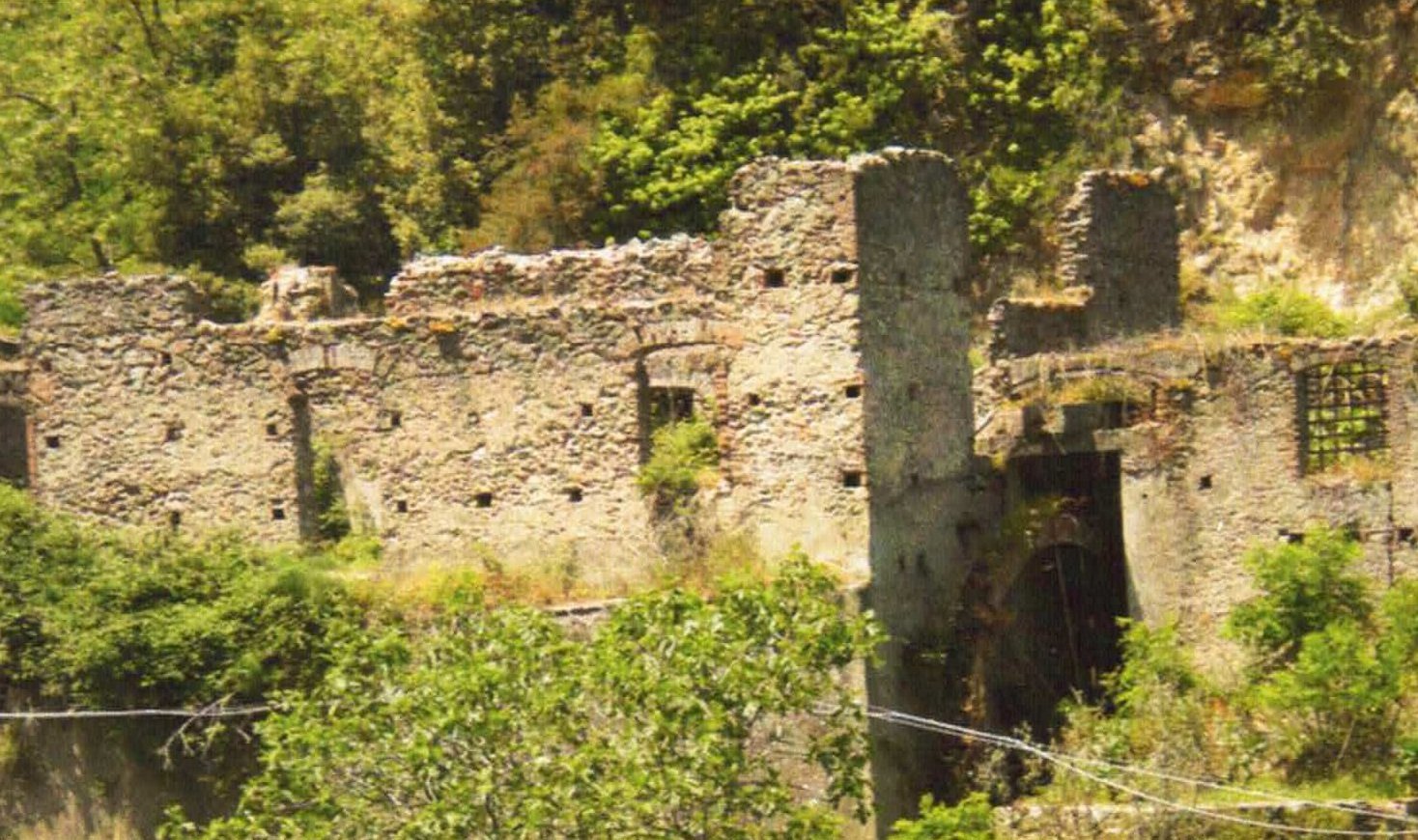
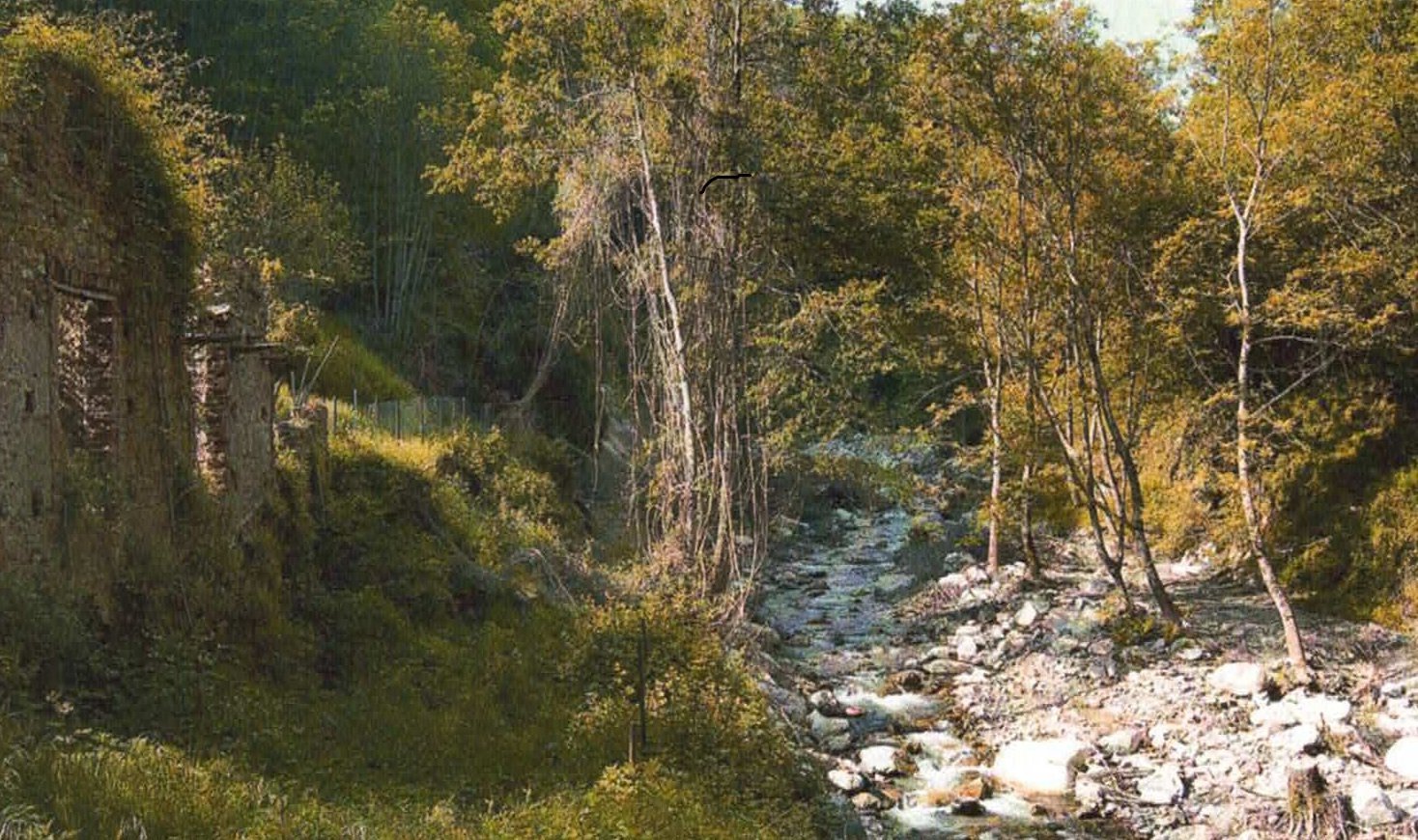
The ruins of the “Machina i Micuzzu” and “Machina di Pippi” water mills, now overtaken by vegetation, stand as silent witnesses to the pre-industrial economy, located near the streams on the outskirts of Delianuova
“Era un’isola un tempo l’Aspromonte, alta sul mare, prima che il resto della penisola emergesse. E dell’Insularità ha mantenuto il carattere, ben chiuso anche se non scostante. Nella maniera d’essere delle persone e in quella di rapportarsi.
Si andava tuttavia per la montagna in un profluvio di storie, racconti, memorie evocative a ogni tornante del sentiero e quasi a ogni sasso. Ogni luogo aveva il suo nome, e questo era legato a un significato e a una storia.
La Montagna, l’Aspromonte, era ed è animata. Non solo di animali, fiori e piante. Ma di storie, miti, persone: romiti, conventuali, pastori, cavalieri più o meno di fantasia, santi, anime perse.
Dei quattro tesori che la storia ci lega, il paesaggio, la lingua, i miti, i riti, la Montagna è piena. Più affascinanti di tutti forse i nomi dai significati sorprendenti, imparando da ragazzi il greco al ginnasio: Cotripa, Carmelia, Aspromonte, Profiti, Misuraci, Ieraci. […]
Ci aggiriamo in un contesto in cui tutto era noto e animato, ogni luogo aveva un nome e una storia, un angolo, una curva, un sentiero, e ogni persona (soprannome, parentele, professioni), anche se nel vuoto. Del passato, del futuro, dell’incertezza.”
Giuseppe Leuzzi
M Monday | T Tuesday | W Wednesday | T Thursday | F Friday | S Saturday | S Sunday |
|---|---|---|---|---|---|---|
| 0 events, | 0 events, | 0 events, | 0 events, | 0 events, | 0 events, | 0 events, |
| 0 events, | 0 events, | 0 events, | 0 events, | 0 events, | 0 events, | 0 events, |
| 0 events, | 0 events, | 0 events, | 0 events, | 0 events, | 0 events, | 0 events, |
| 0 events, | 0 events, | 0 events, | 0 events, | 0 events, | 0 events, | 1 event, Fiera di Sant’Arcangelo |
| 0 events, | 0 events, | 0 events, | 0 events, | 0 events, | 0 events, | 0 events, |
info@vistdelianuova.it