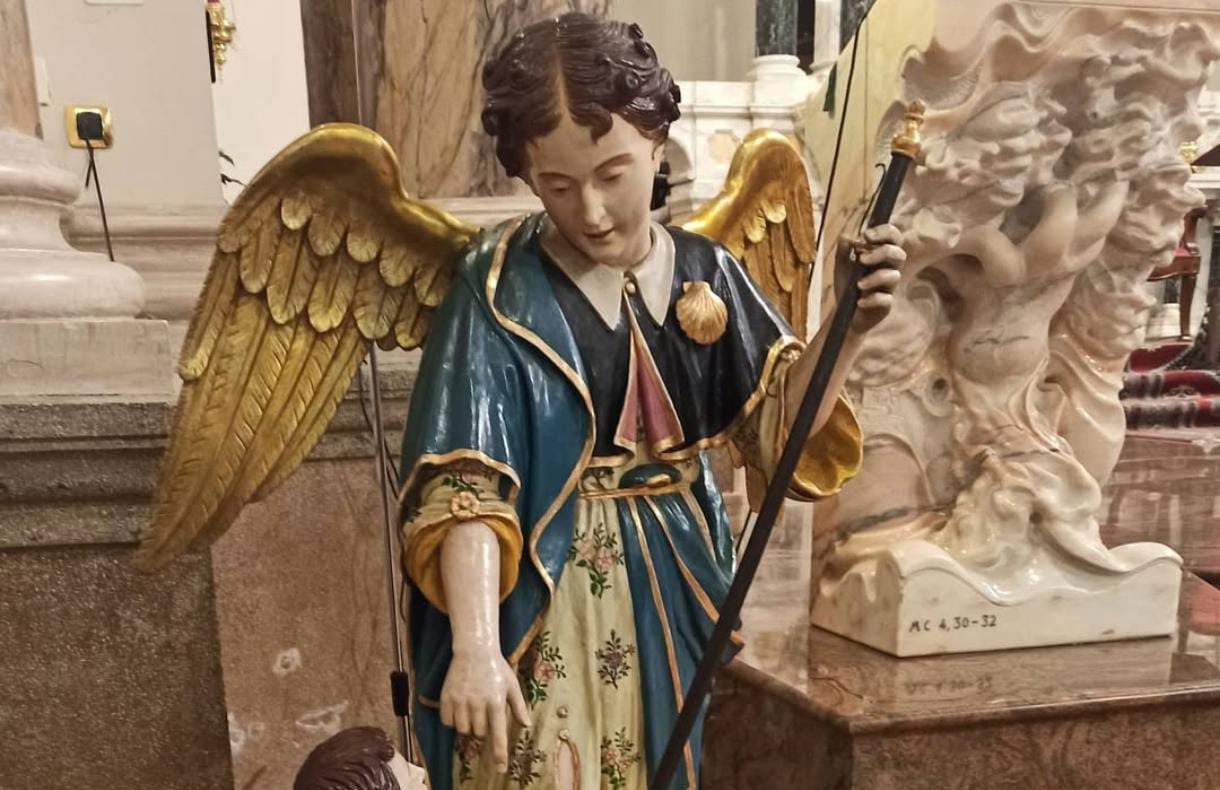
The Sanctuary of Santa Maria di Polsi
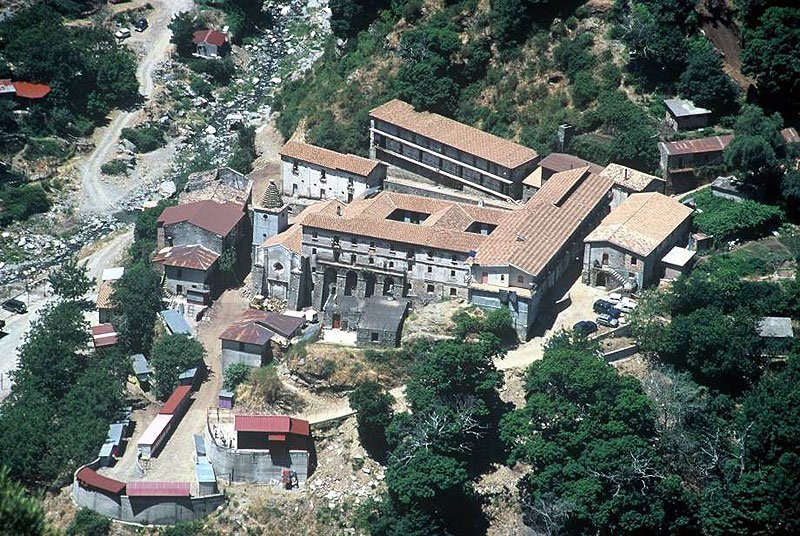
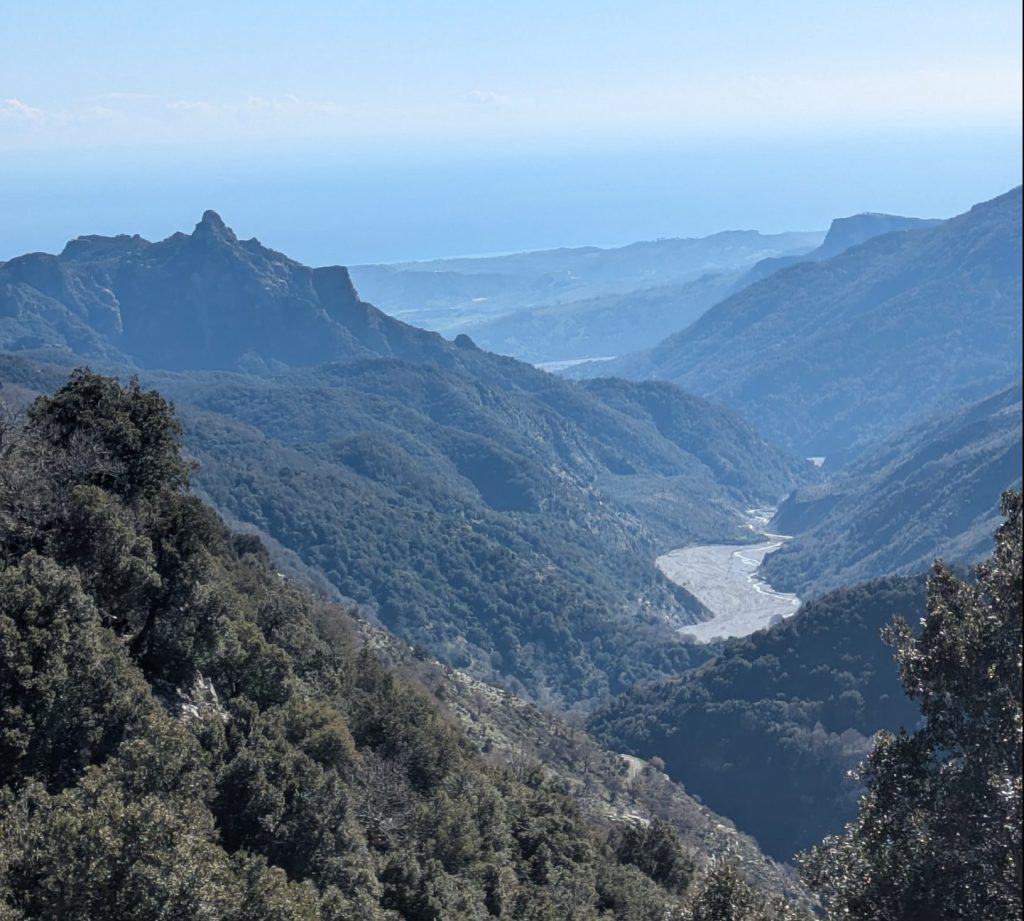
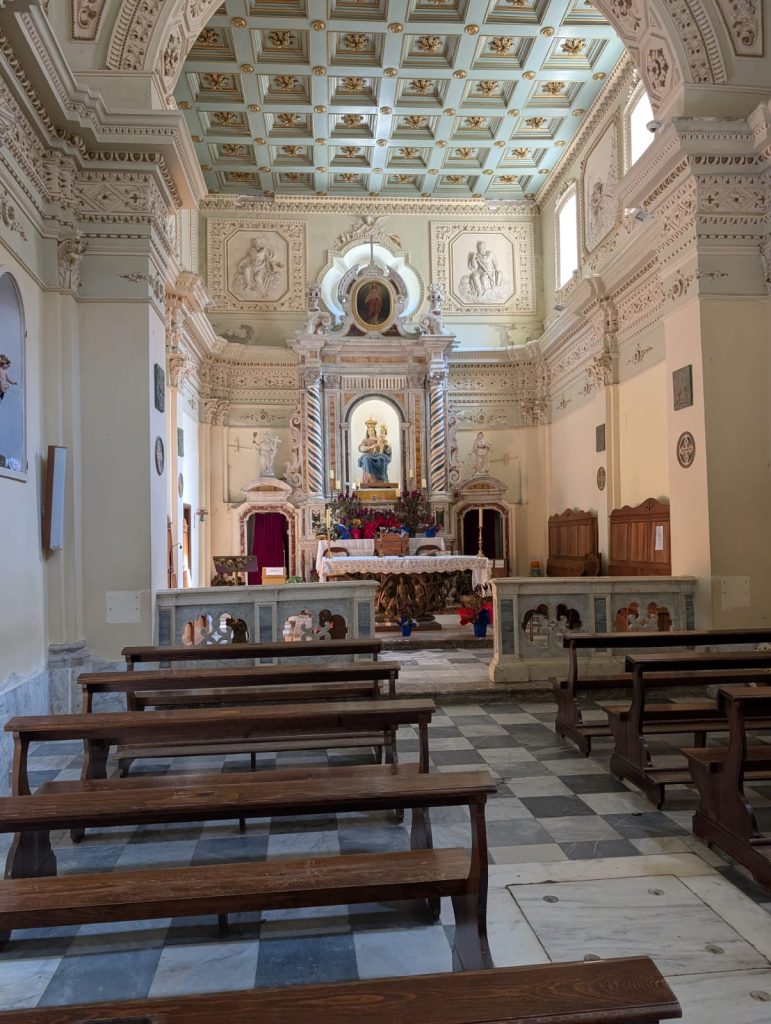
The Sanctuary of Santa Maria di Polsi, also known as the “Madonna of the Mountain” (Madonna della Montagna), is a Marian shrine nestled in the heart of the Aspromonte National Park, within the municipality of San Luca. Sitting at an altitude of 862 meters above sea level, the sanctuary is framed by the towering peaks of the Aspromonte and intersected by the Bonamico river.
The solemn feast day of the Madonna of the Mountain is celebrated on September 2nd. A vast number of devotees from Delianuova embark on a traditional pilgrimage on foot to the shrine. This spiritual journey takes place during the week between the Feast of Our Lady of Health (Madonna della Salute) at the Piani di Carmelia—held on the last Sunday of August—and the first week of September.
Between Faith, Tradition, and Legend
Legend has it that in the year 1144, an extraordinary event took place at the Piani di Carmelia, deep within the Aspromonte. A humble shepherd named Italiano was tending his flock when he ventured into a remote valley in search of a lost young ox. His search led him to an unexpected spot where the ox had knelt down, unearthing an iron cross buried beneath the soil.
At that exact moment, the Virgin Mary appeared to the young shepherd, solemnly indicating the precise location where she wished a church to be built in her honor. This mystical encounter marked the beginning of a centuries-old tradition that endures to this day.
However, an alternative version of this legend replaces the shepherd with the Norman Count Roger. In this variation, it is said that the Count encountered the miraculous scene while deep in the valley during a hunting expedition.
The History of Polsi
The etymology of the name Polsi derives from the ancient Greek word Poupsis, which suggests an “elevated place” or “exaltation.” This meaning echoes in the sanctuary’s full title: Santa Maria di Polsi, or Mary of the Exaltation of the Cross.
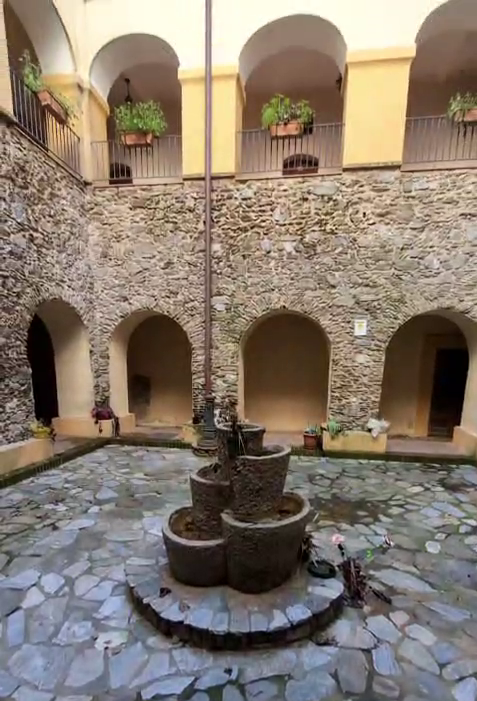
Following the discovery of the Holy Cross, a place of worship was established in this remote valley. It began as a modest Byzantine chapel, followed by the founding of a monastery, which became the beating heart of a monastic community dedicated to prayer, the preservation of knowledge, and manual labor.
The Greek monks passionately dedicated themselves to the transcription of codices, preserving the wisdom of the past. At the same time, they engaged in craftsmanship and agriculture, shaping the land and creating works that reflected both their spirituality and ingenuity.
The sanctuary of Polsi thus became a timeless crossroads of faith and culture.
The Statue
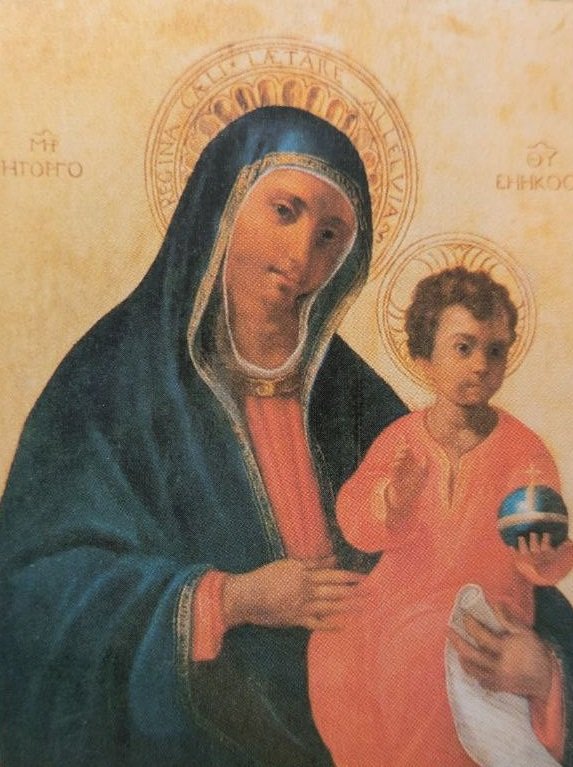
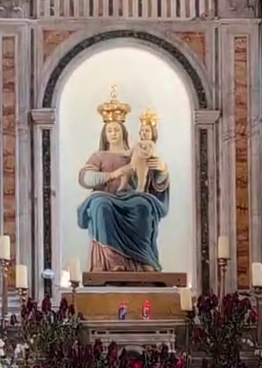
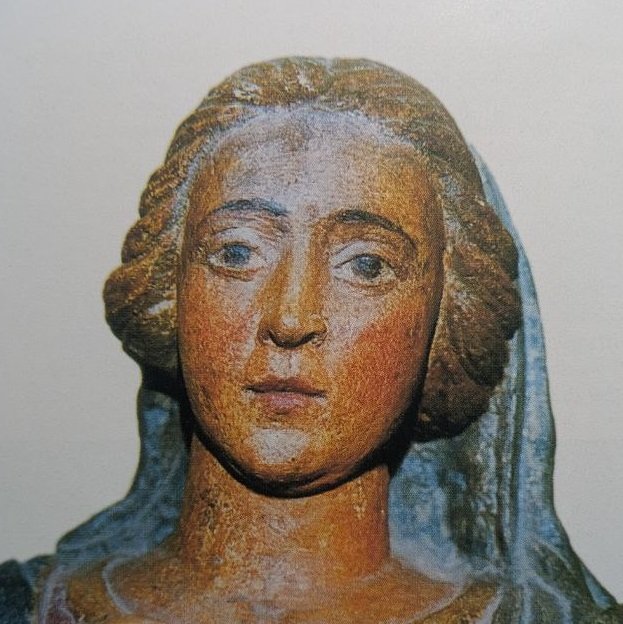
The majestic statue of the Madonna holding the Christ Child, sculpted from local tufa stone, was likely brought to Polsi around the year 1560.
According to tradition, the monumental sculpture was placed on an ox-drawn cart destined for a church in Santa Cristina d’Aspromonte. However, the oxen providentially changed course and, navigating rugged and treacherous paths, made their way directly to Polsi instead.
The statue weighs approximately 800 kilograms (around 1,760 lbs).
Delianuova’s Connection to Polsi
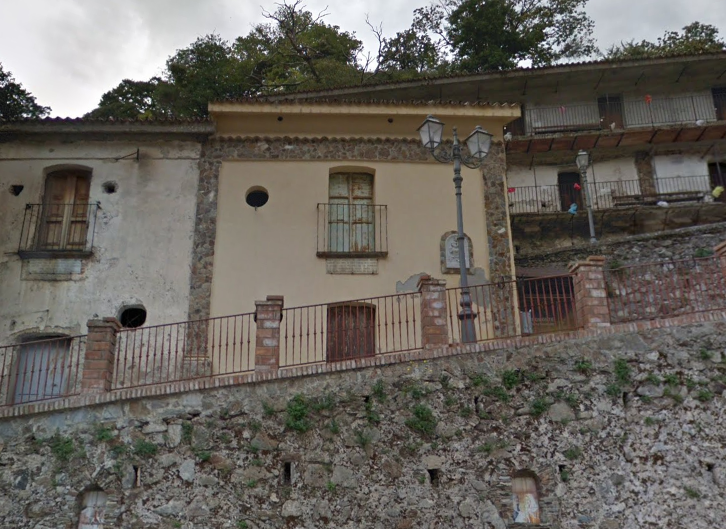
Directly facing the main facade of the church stands the pilgrim lodge or “house” of Pedavoli (now Delianuova), alongside those of Messina and Ganzirri, as commemorated by the marble plaque affixed to the exterior of the structure.
The various “houses” that frame the church, the convent, and the bishop’s palace were built during different eras, often through the voluntary labor of devotees from various towns who gathered annually to visit the shrine.
Delianuova has historically been, and remains today, a vital crossroads for faithful pilgrims traveling to Polsi from the Tyrrhenian side of the mountain. For those wishing to rediscover this historic path of devotion, a short guide is available on our portal.